Practical, Clinical and Research Laboratories
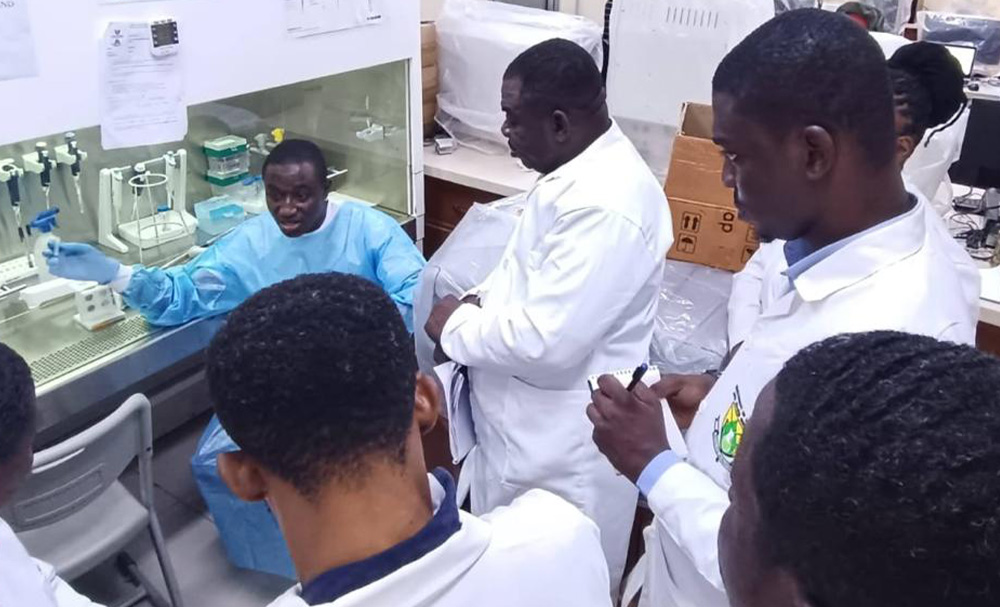
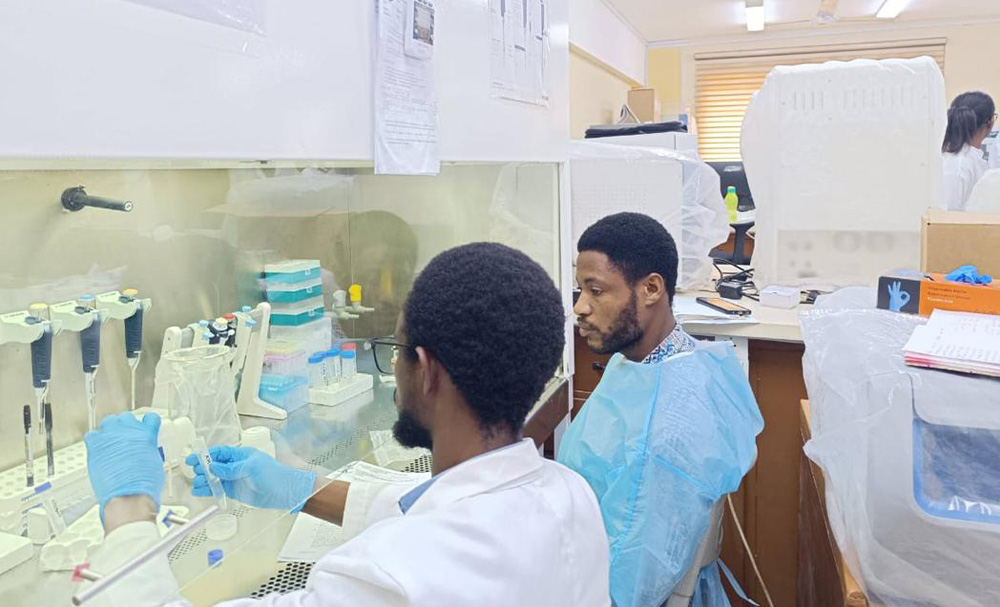
The Department of Medical Diagnostics provides a comprehensive suite of practical and skills laboratories that underpin student training, research excellence, and professional competence. These facilities reflect international standards in laboratory science education and are continuously modernised to support current and emerging diagnostic technologies.
Student Training Laboratories
Students engage in structured practical training across four core teaching laboratories, each designed to develop competency in key diagnostic disciplines:
- Clinical Chemistry Laboratory
- Haematology Laboratory
- Histopathology Laboratory
- Microbiology
These laboratories are equipped to facilitate hands-on training in routine and advanced diagnostic techniques. Core equipment includes:
- Spectrophotometers
- ELISA readers
- Automated haematology analyser
- Clotting profile analyser
- Tissue processor
- Microtome
- Microscopes (binoculars and trinoculars)
To meet international standards for student laboratory training, these facilities are further supported by essential infrastructure and equipment commonly found in accredited biomedical laboratories, including:
- Bench-top and floor centrifuges
- Autoclaves and sterilization systems
- Class II biosafety cabinets
- Incubators and water baths
- Micropipettes and calibration accessories
- Refrigerators and freezers for reagent and specimen storage
- Analytical balances and pH meters
- Laboratory glassware and consumables
- Laboratory safety installations (eye wash stations, fire safety systems, PPE)
- Quality control materials and reference standards
- Digital data capture tools and exposure to laboratory information systems
Specialized Research Laboratories and Clinical Affiliated Laboratories
Faculty members in the Department have established two Research Laboratories to support specialized areas in the field of biomedical sciences.
The laboratories are:
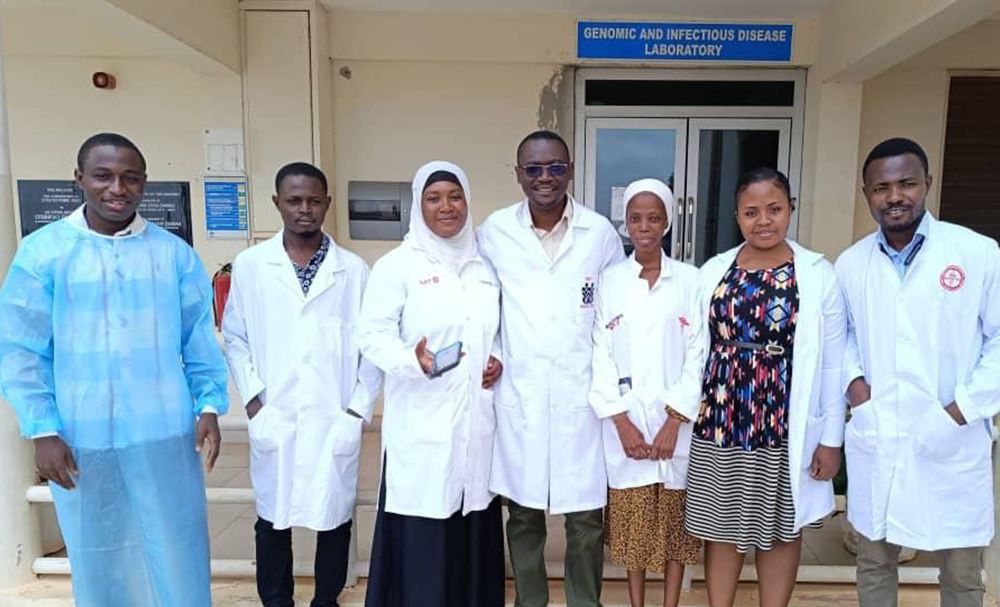
Genomic and Infectious Diseases Laboratory (GIDL)
The Genomic and Infectious Diseases Laboratory (GIDL) represents a flagship research and training facility within the Department, established through the leadership of Dr Michael Owusu. This ultramodern laboratory is designed to support advanced molecular diagnostics, genomic surveillance, and infectious disease research, aligning with global efforts to strengthen pathogen discovery and genomic epidemiology.
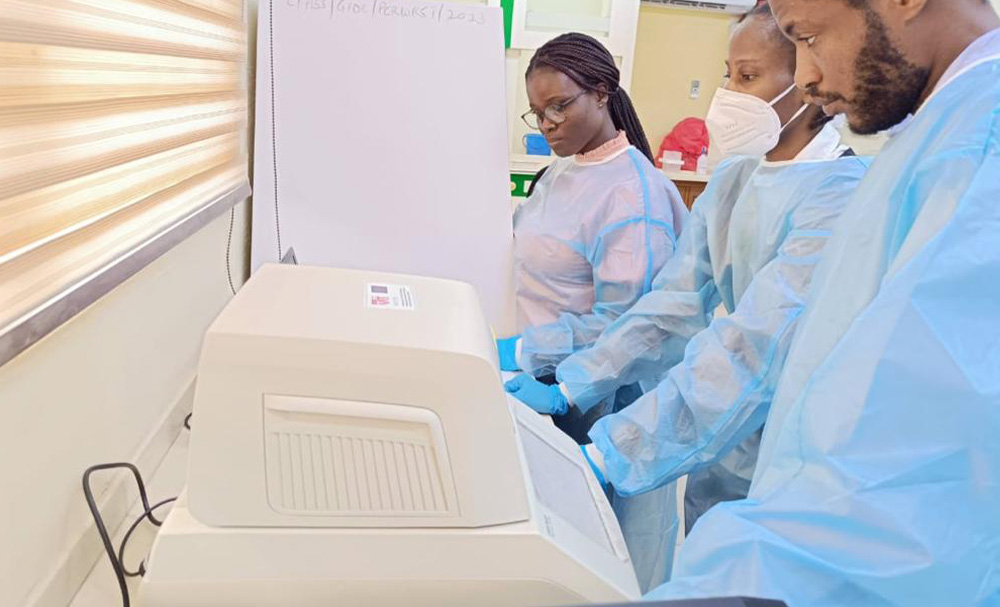
GIDL’s capabilities include polymerase chain reaction (PCR), next-generation sequencing (NGS), and bioinformatics workflows essential for characterising pathogens of public health importance. Recent initiatives include hands-on training in metagenomics and pathogen discovery using platforms such as Oxford Nanopore Technologies, equipping students and professionals with skills in genomic data generation and analysis.
The laboratory also incorporates cutting-edge diagnostic technologies, such as AI-assisted malaria detection systems, broadening the scope of molecular diagnostic teaching and applied research. GIDL serves as a key node in collaborative networks that contribute to national and regional disease surveillance strategies, enabling student engagement in real-world genomic investigations and outbreak response initiatives.
Parasitology and Immunology Research Laboratory (PIRL)
The Parasitology and Immunology Laboratory, established under the leadership of Professor Alexander Yaw Debrah, provides a research-intensive environment for exploring the biology of parasitic diseases and host immune responses. Drawing on expertise in molecular epidemiology, immunogenetics, and neglected tropical diseases, this laboratory equips students with advanced diagnostic and investigative skills.
Facilities support a wide range of practical activities, including parasite detection and identification, immunoassays, cellular immunology assays, and analysis of host–pathogen interactions. The laboratory integrates microscopy, culture techniques, serological testing, and molecular approaches, offering students a comprehensive training platform that bridges basic laboratory practice and research methodologies.
College of Health Sciences Research Laboratories
Kumasi Centre for Collaborative Research in Tropical Medicine (KCCR)
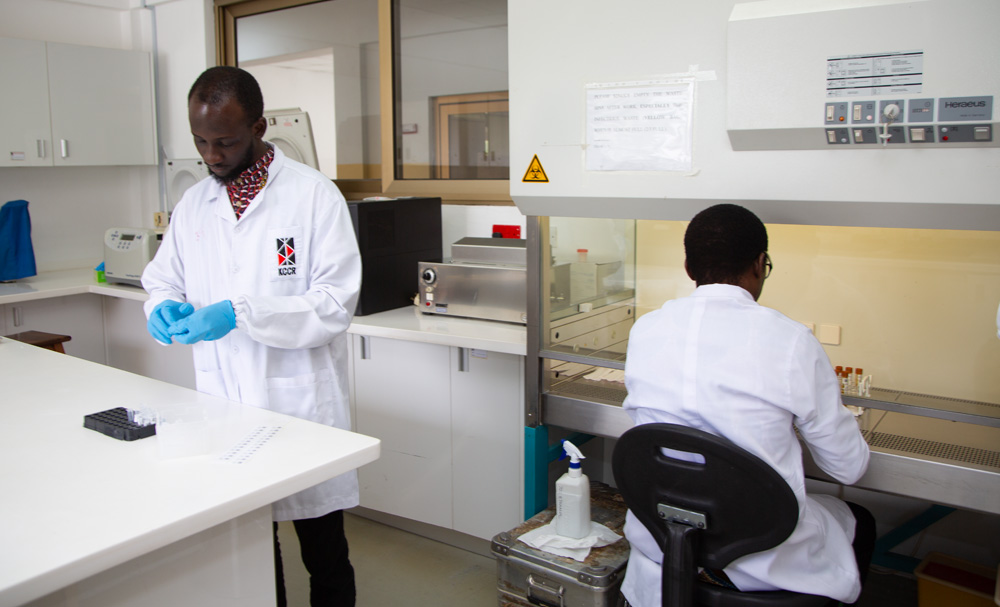
Postgraduate training within the Department of Medical Diagnostics is further strengthened through close collaboration with the Kumasi Centre for Collaborative Research in Tropical Medicine (KCCR). KCCR is a leading biomedical research institution within the College of Health Sciences and provides advanced laboratory infrastructure, mentorship, and research support for Master’s and Doctoral students, including those enrolled in MPhil and PhD programmes from the Department.
Through access to KCCR’s specialized laboratories and research platforms, postgraduate students engage in high-level research in areas such as infectious diseases, molecular diagnostics, immunology, parasitology, and translational biomedical science. The Centre supports thesis-based research, interdisciplinary collaboration, and capacity development, thereby enhancing the research output and global relevance of postgraduate training within the Department.
Clinical Affiliated Laboratories
To complement on-campus training, the Department has formal collaborations with accredited clinical laboratories where students undertake clinical rotations and experiential learning. These include:
· Komfo Anokye Teaching Hospital (KATH)
- Histopathology
- Transfusion Medicine
- Haematology
- Serology
- Clinical Biochemistry laboratories
· University Health Services, Diagnostic Laboratory, KNUST
· Hope Exchange Medical Centre, Diagnostic Laboratory
· St. Michael’s Hospital, Pramso, Laboratory Unit
· Kumasi South Hospital Laboratory
These clinical placements enable students to apply theoretical knowledge in patient-centered diagnostic settings (primary, secondary and tertiary), reinforcing professional skills and quality laboratory practices.